
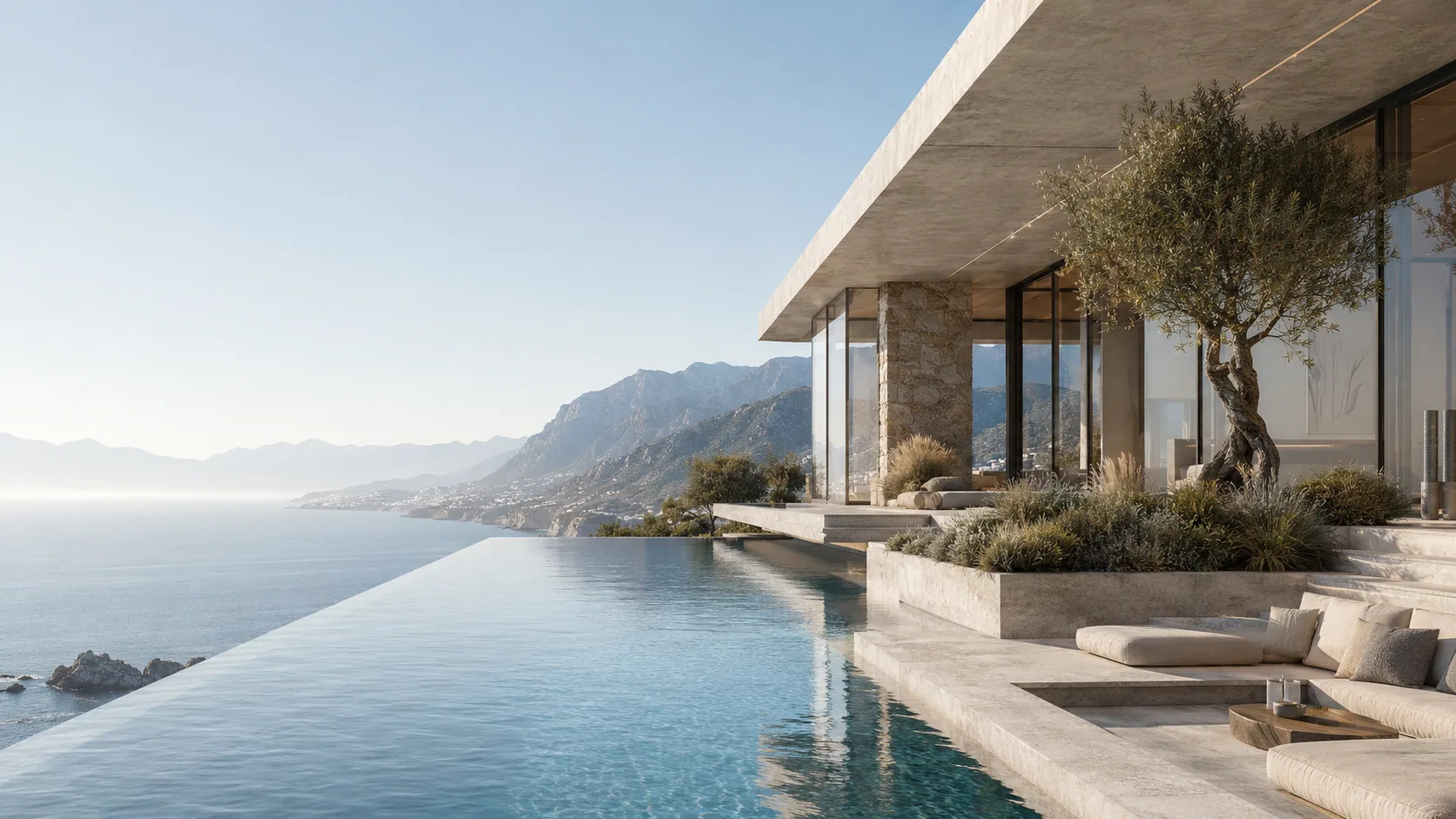
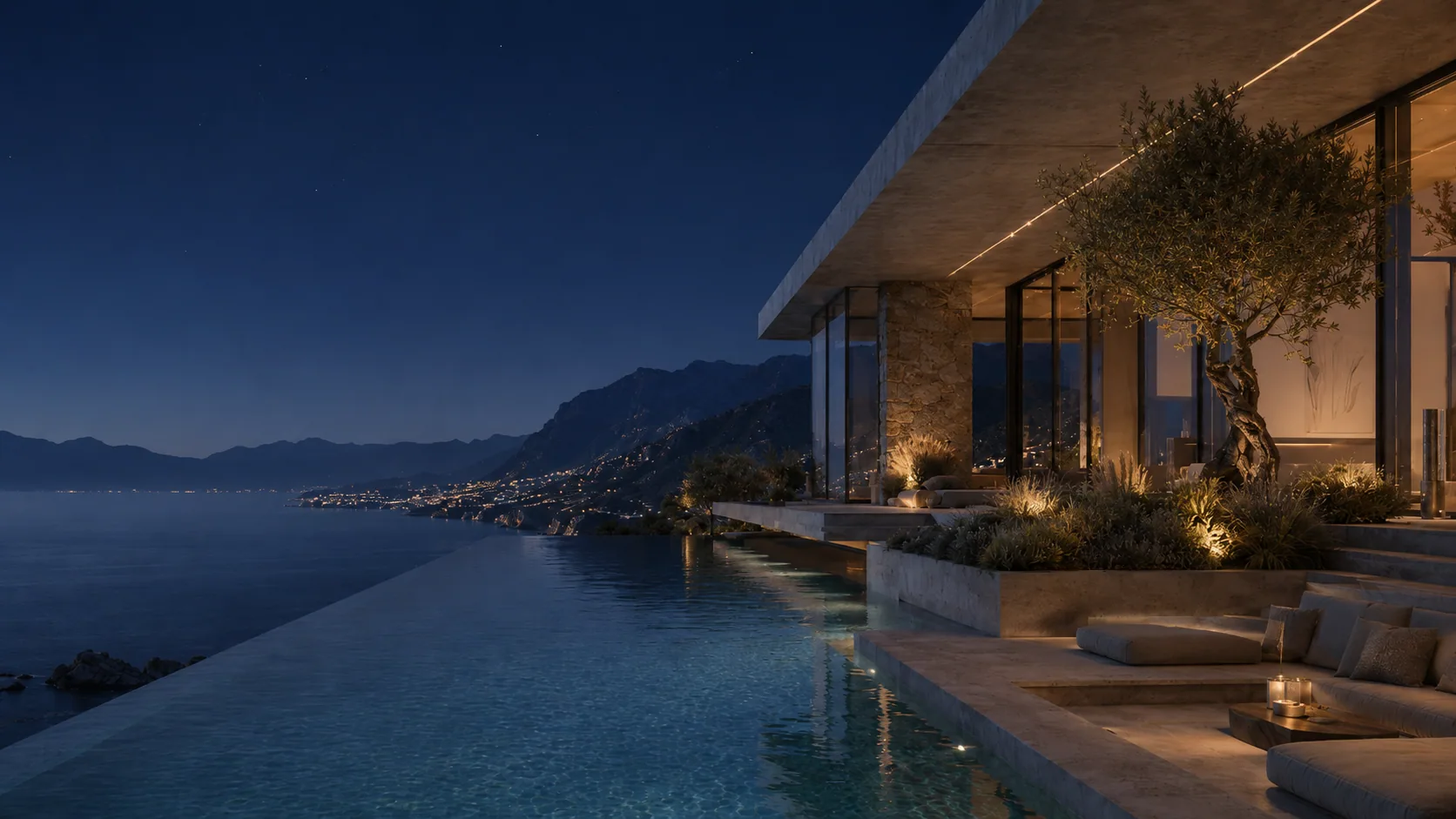
What Is Minimalism? The Meaning of Simplicity in Interior Design
Minimalism is a philosophy of simplicity that eliminates the unnecessary in interior design while bringing what matters to the fore. We explain the “less is more” principle, its elements and warm minimalism.
Minimalism is a design philosophy that removes everything unnecessary in interior design, leaving behind only what is truly important. What exists carries meaning, but so does what is absent. Rooted in art and architecture, this approach has in recent years become a way of life: fewer objects, more emptiness, more calm. Yet minimalism is often misunderstood; some imagine it as cold, empty and sterile. In fact, when composed well, minimalism is warm, inviting and deeply luxurious. In this article we explain what minimalism is, its elements and how it is built in a villa.
At its core, minimalism is an art of “elimination.” Instead of filling a space, it advocates choosing the elements that truly belong there and removing the rest. In interior design this means an order stripped of ostentation: clean lines, a calm palette and a composition in which every object serves a purpose. As a philosophy, minimalism proposes freeing ourselves from the excess that distracts us and focusing on what matters — light, proportion, material and life itself. The aim is not to impoverish a space but, on the contrary, to bring it into clarity.
At the heart of minimalism lies architect Ludwig Mies van der Rohe's famous phrase: “Less is more.” This principle counters the illusion that the more a space holds, the better it will be. A few, but rightly chosen, elements leave a far stronger impression than a crowded arrangement. A single flawless wooden table in a room says more than ten pieces of mediocre furniture. “Less is more” is not a restriction but a way of focusing: giving each element the breathing space it deserves.
A minimalist interior is defined by a few essential elements. When they come together, the result is a whole that is simple yet rich:
- Simplicity and clean lines — Unnecessary ornament, complex profiles and showy detail are avoided; forms are clear and serene.
- A neutral palette — White, sand, stone gray and earth tones form the foundation; color comes from a few accents that keep control in hand.
- Function first — Every object serves a purpose; the “beautiful but unnecessary” is set aside in favour of the “beautiful and necessary.”
- The value of emptiness — Emptiness is not a lack but a deliberate design element; it gives breathing space to the objects and to the eye.
- Quality material — Because the elements are few, the quality of each is decisive: solid wood, natural stone, genuine textures.
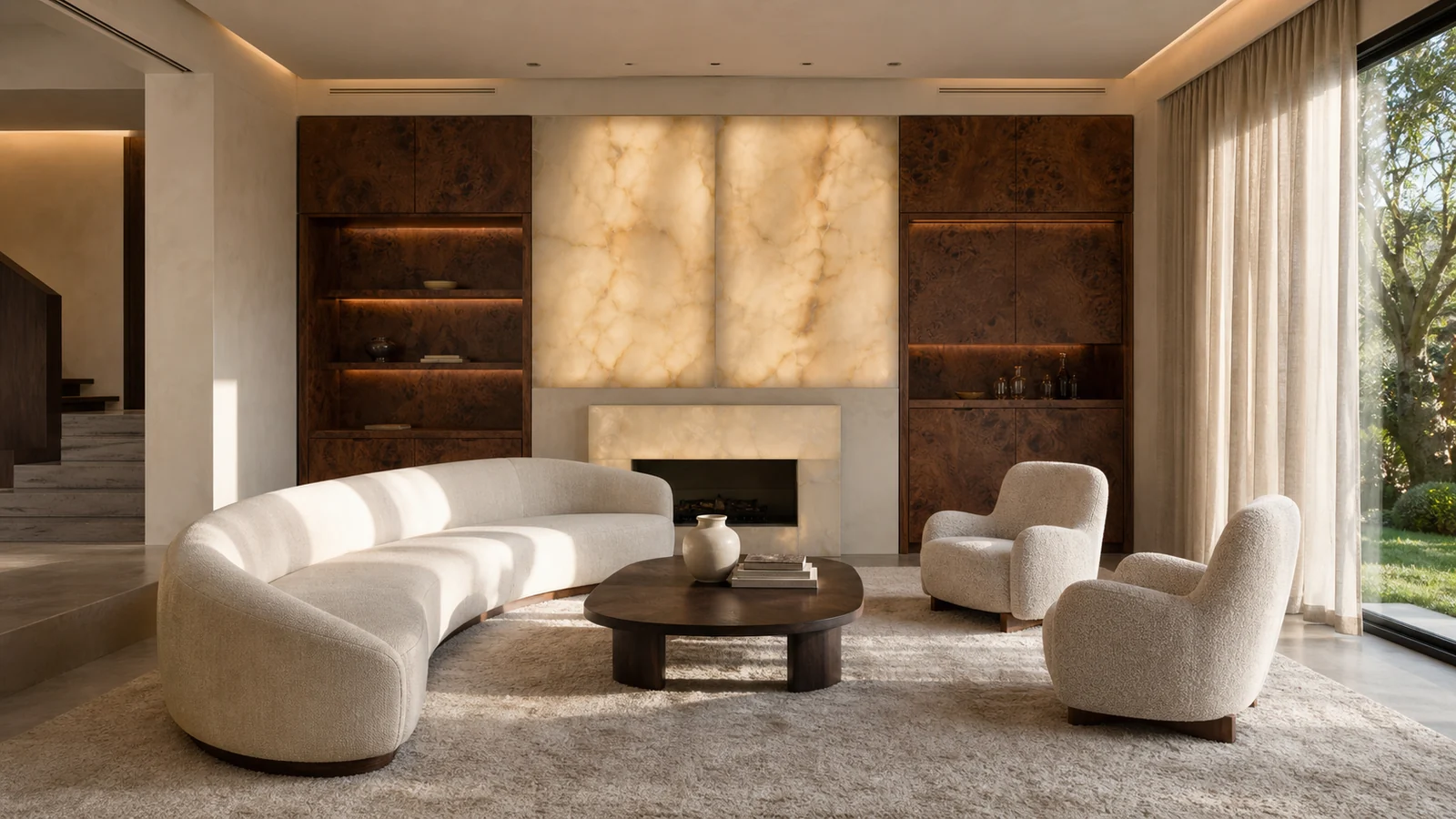
The most common misunderstanding of minimalism is to equate it with emptiness and coldness. Yet minimalism is not a deprivation but a selection. Bare white walls and sterile surfaces are the result not of minimalism but of misinterpreted minimalism. This is exactly where warm minimalism comes in: an approach that preserves simplicity while adding layered textures, soft textiles, warm light and organic forms to a space. Warm minimalism is simple yet inviting; not empty but calm, not cold but embracing. Few objects, much atmosphere.
Minimalism is reached not at the point where nothing more can be added, but at the point where nothing more can be taken away.
Minimalism is not built by discarding objects overnight but through a deliberate composition. Here is the path to bringing simplicity to life in a villa:
- Define function first — Clarify how each space will be lived in; let the design arise from that need.
- Choose a limited palette — Settle on two or three neutral tones and stay faithful to that language throughout the space.
- Choose few but of quality — Instead of many cheap items, invest in a few pieces that are long-lasting and made of honest materials.
- Conceal storage — Keep surfaces empty and calm with invisible, integrated cabinetry; let clutter never catch the eye.
- Allow for emptiness — Resist the urge to fill every corner; emptiness is the breath of a space.
- Add layers and texture — To warm the simplicity, use natural wood, linen, wool and warm light.
There are a few persistent misconceptions about minimalism. First, minimalism is thought to mean “giving up everything”; yet the point is not to give up but to choose the right thing. Second, minimalism is assumed to be cheap or easy; in reality, building a powerful whole from a few elements is far harder and demands a higher quality of material. Third, minimalism is presumed to be impersonal; yet good minimalism conveys the owner's character not through noise but through selection. Simplicity is the most difficult and the most mature form of design.
Though minimalism and luxury may seem opposites at first glance, they in fact meet in the same maturity. Quiet luxury, today's most refined understanding of luxury, is built precisely upon the principles of minimalism: a richness that comes not from show but from quality, an elegance without logos and without noise, a simplicity in which material and craftsmanship speak. Quiet luxury does not shout at you; it reveals itself as you draw near. In a villa, it is hidden in flawless joints, in the right proportion and in the texture of natural material. This is why, at Vesya, we carry out design, application and construction under one roof: for simplicity not merely to look beautiful but to remain beautiful over the years, every layer must be built with the same care.
In short
- Minimalism is a philosophy of simplicity that eliminates the unnecessary in interior design and brings what matters to the fore.
- The “less is more” principle is not a restriction but a way of focusing that grants each element breathing space.
- Minimalism is not emptiness or coldness; warm minimalism makes simplicity inviting and layered.
- Quiet luxury is built upon the principles of minimalism: a richness that comes not from show but from quality.
How we can help you on this
Journal
 Interior
Luxury Villa Interior Design: Material, Texture, Light and the Grammar of Quiet Luxury
What makes a villa "good" rather than merely "expensive" is honesty of material, consistency of texture and the staging of light. We spell out the grammar of quiet luxury, line by line.
July 20268 min read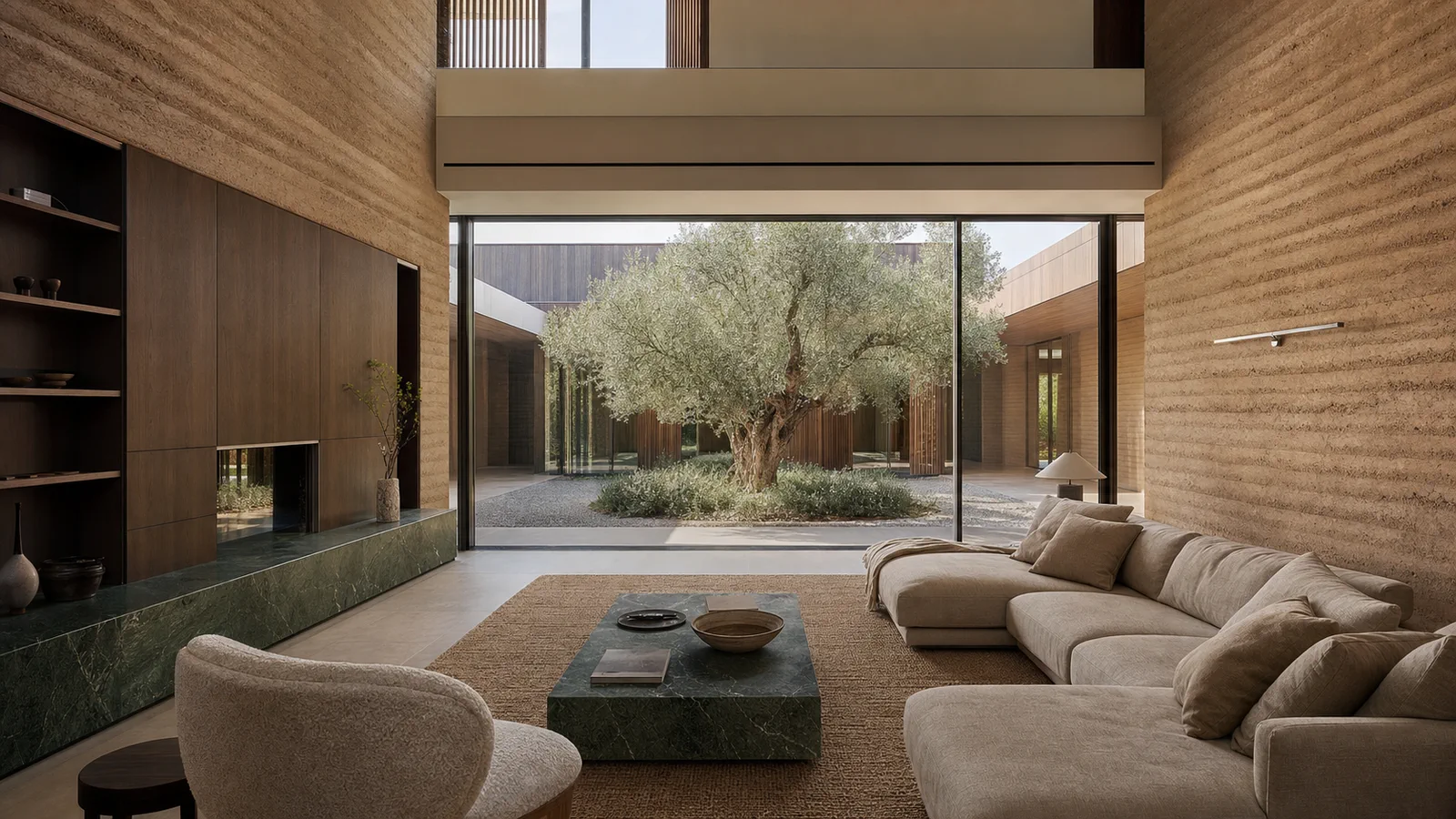 Trends
2026 Villa Interior Design Trends: Quiet Luxury and Nature
The luxury line of 2026 runs through calm rather than display: quiet luxury, biophilic design, natural materials and warm minimalism. We separate lasting trends from passing fads.
July 20267 min read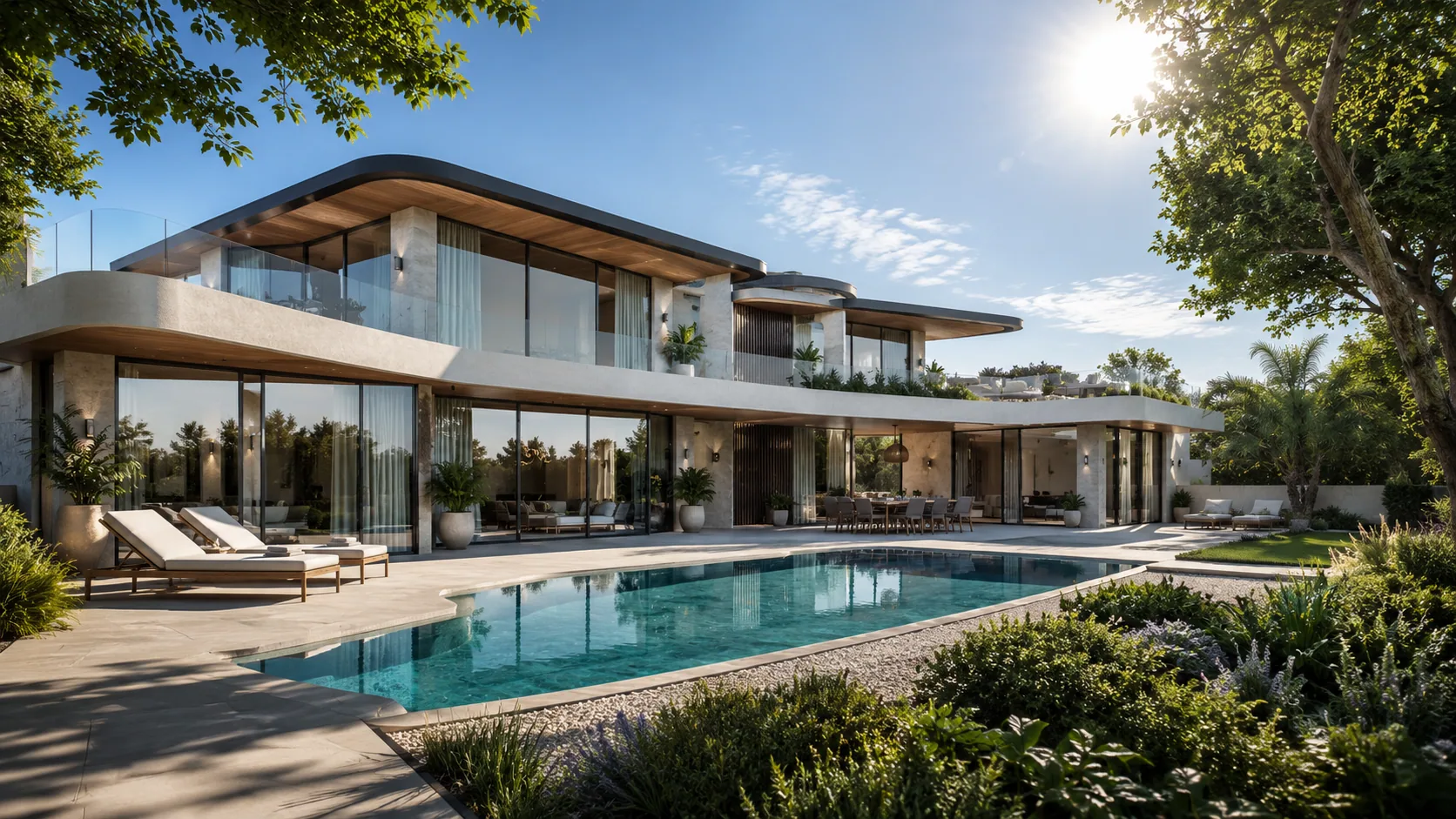 Trends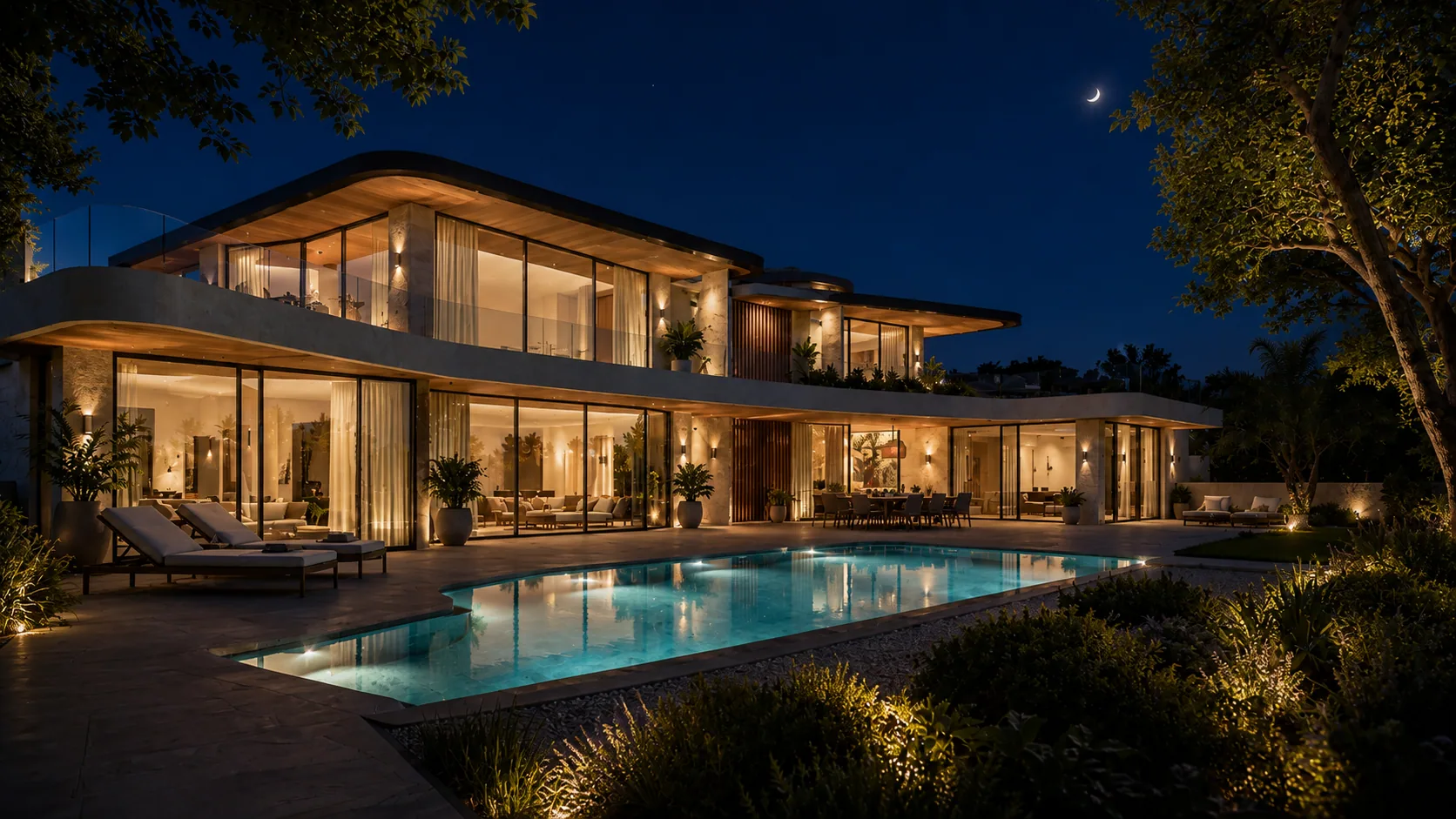
2026 Color Trends: The Palette of Quiet Luxury in Interiors
The color of 2026 comes not from spectacle but from stillness: warm neutrals, earth tones and the serene palette of quiet luxury. We rank the year's color families and timeless combinations through an expert lens.
July 20267 min read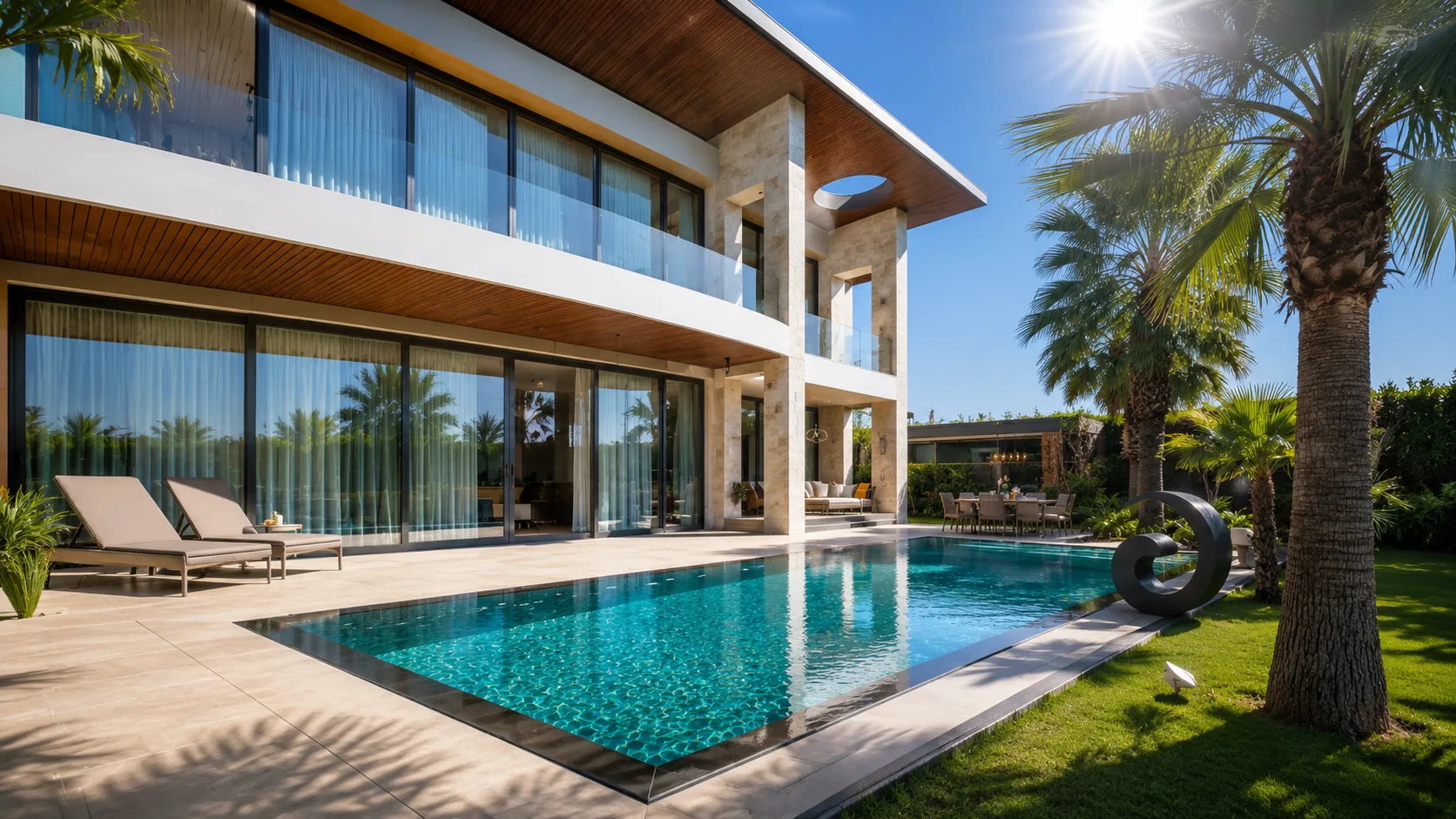 Trends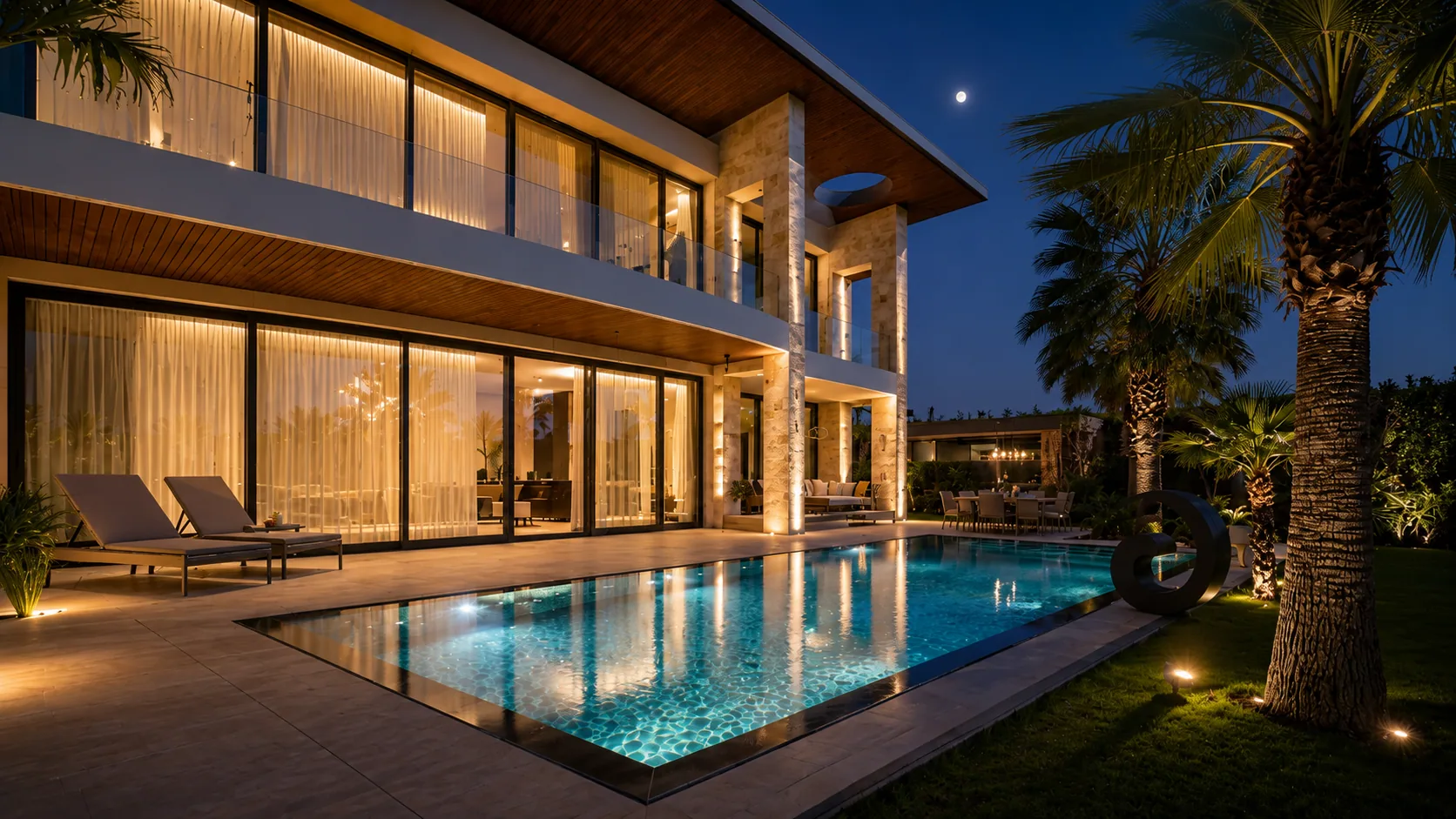
What Is Art Deco? The Language of Geometric Elegance and Luxury
Art Deco translates the radiant optimism of the 1920s–30s into geometry, symmetry and rich materials. We examine its origins, characteristic elements and interpretation in today's luxury interiors.
July 20267 min read Trends
What Is Bauhaus? The School and Movement Where Modern Design Was Born
Bauhaus is the school and movement that laid the foundation of modern design. We examine its "form follows function" principle, its philosophy of simplicity and functionality, its characteristic elements and its reflection in today's luxury interiors.
July 20267 min readFrequently asked questions
Vesya Project Team
Design · Build · Construction
- Response time
- Same day
- Channels
- Phone · Email · WhatsApp
Can't find your answer here? Send us your question directly — our team will reply shortly.
Free consultationMinimalism is a design and life philosophy that eliminates everything unnecessary, leaving behind only what is truly important. In interior design it is defined by clean lines, a neutral palette, a composition that centers function and deliberate emptiness. The aim is not to impoverish a space but to strip away the excess that distracts and bring it into clarity.
Vesya Project Team
Minimalist living means consciously choosing what we own and freeing ourselves of things that add no real value. It means fewer objects, less clutter and more focus. The aim is not deprivation but making more room for what matters — relationships, experience and peace of mind.
Vesya Project Team
When composed well, no. Spaces that appear cold and empty are the result of misinterpreted minimalism. Warm minimalism preserves simplicity while adding layered textures, natural wood, soft textiles and warm light to make a space inviting and embracing. It works by the principle of few objects, much atmosphere.
Vesya Project Team
First clarify the function of each space, choose a limited and neutral palette, and invest in a few quality pieces rather than many cheap ones. Keep surfaces calm by concealing storage, allow for emptiness, and add natural texture and warm light to warm the simplicity.
Vesya Project Team
Yes; indeed, today's most refined understanding of luxury is built upon minimalism. Quiet luxury is a richness that comes not from show but from the quality of material, from craftsmanship and from timeless simplicity. Flawless details, the right proportion and honest material turn simplicity into the highest form of luxury.
Vesya Project Team