
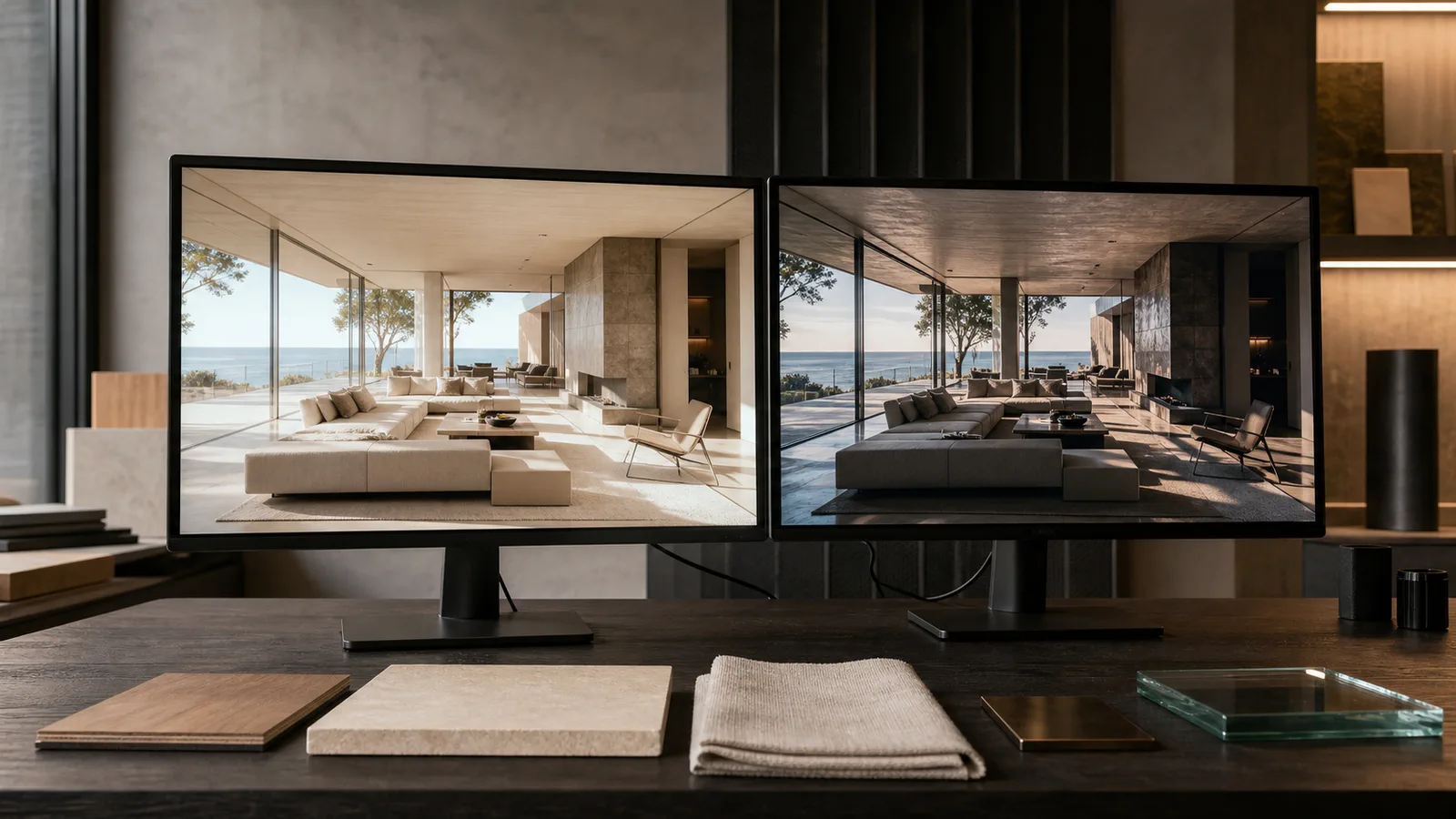
Corona or V-Ray? Which Engine We Use on Which Project
We use both engines; the choice depends on the project. Corona stands out in interiors with its natural light behavior, V-Ray in films and corporate work with its depth of control. Our practical rule and the answer to the 'tool or mastery' question.
We use both engines; the choice depends on the project. This article is the answer to the question 'tool or mastery': mastery.
Corona delivers natural results 'out of the box' in physical light behavior; it is our first choice for scenes dominated by interiors and atmosphere. The learning curve is gentle, the result consistent — warm interior lighting, fabric texture and night atmosphere settle in effortlessly in Corona.
V-Ray's strength is its depth of control and its animation pipeline; it comes to the fore in architectural films, complex exterior scenes and corporate work that demands strict delivery standards. Any job that needs render layers, light groups and pass management goes to V-Ray.
- Villa interior + night atmosphere → Corona.
- Architectural film + large master plan → V-Ray.
- What never changes in either is light discipline: the engine does not build the atmosphere — we do.
Which engine is used is not your problem — our delivery quality standard is the same in both. We choose the engine based on your brief; you look at the framing, the light and the delivery date. Process and delivery details are on our Architectural Visualization page, and price ranges are in our Render Prices 2026 guide.
The engine does not build the atmosphere; the atmosphere is built by the hand that works the light, layer by layer.
We can render the same villa living room in either engine; the difference is not "which looks better" but where the time goes. Corona's LightMix lets you balance light groups after the render is finished — at the presentation table we can shift the warm/cool balance, or the weight of the chandelier against the concealed lighting, in seconds and show it live. V-Ray's render elements move the intervention into post-production: reflection, shadow and ambient occlusion come to you separately, which makes it possible to apply the same correction consistently across the hundreds of frames of an architectural film.
- Single frame, interior, fast variation → Corona; we change the light live in the decision meeting.
- Hundreds of frames, animation, heavy post-production → V-Ray; corrections happen at layer level and stay repeatable.
- Both engines denoise; what decides the result is not the sampling setting but the lighting logic of the scene.
The engine choice also touches the delivery calendar. Corona puts the work largely on the processor; V-Ray has a hybrid pipeline that can use both the processor and the graphics card. Depending on studio hardware, the same scene finishes in different times — and time determines how many variations you can try. On a villa project the real gain is not one image finishing a few minutes earlier, but being able to see three lighting scenarios in the same day and decide.
Whichever engine is used, an image is not delivered until it passes these five checks:
- Scale: is there a human-height reference in the space, does the ceiling height match the real project.
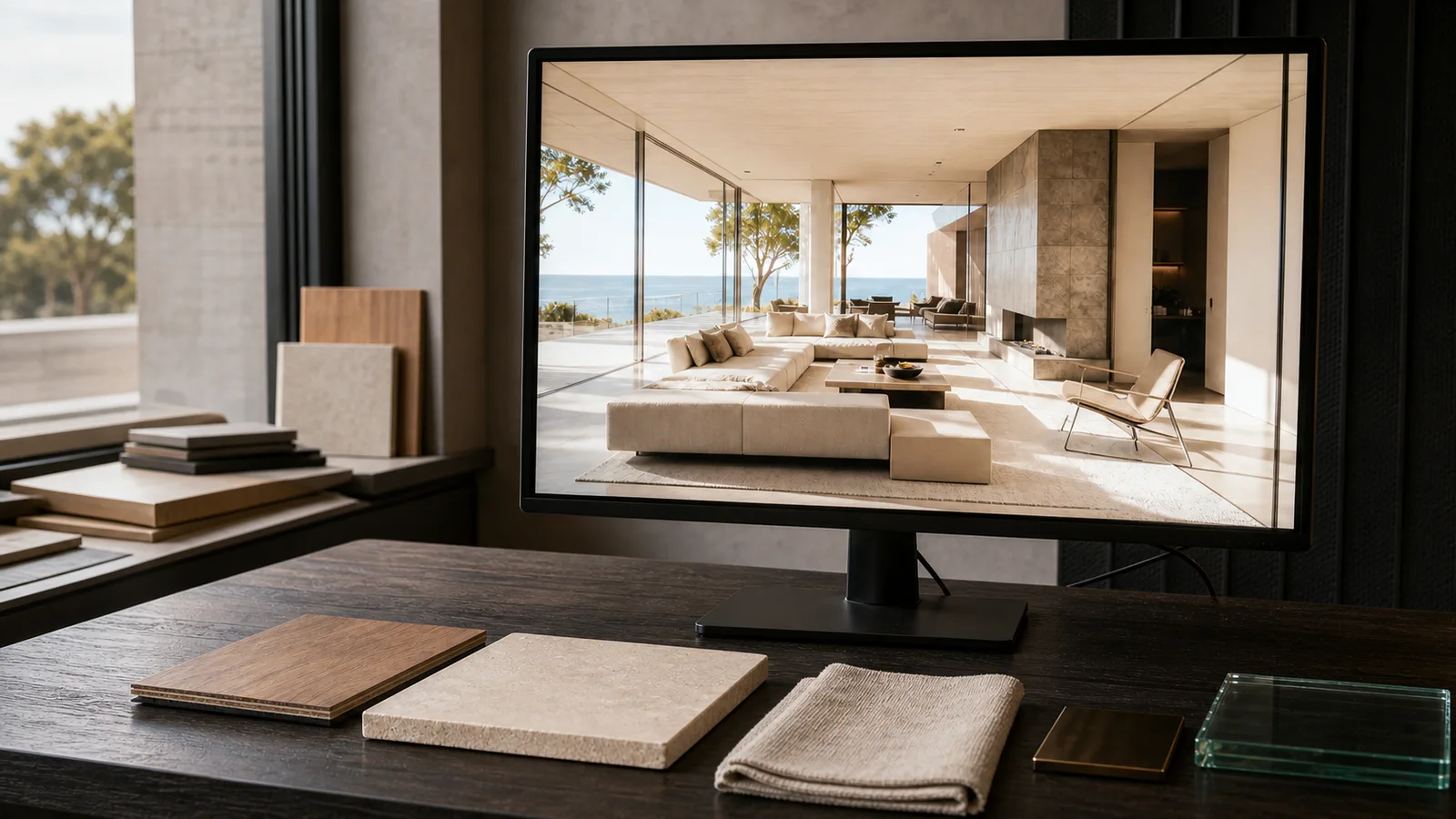
- Material: are the stone, wood and fabric on screen consistent with the physical sample held next to them.
- Colour temperature: has the white balance drifted between the daytime and night frames.
- Framing: is the view at eye level, or is it a lie that makes the space look wider than it is.
- Output: are the resolution, colour profile and format correct for where it will be used (print, screen, social).
"Do you work with Corona?" is really the question "will my images look real?" in disguise. The answer is not in the name of the engine: a space at the wrong scale, an invented material or a lighting setup with no architectural logic will not convince in either engine. The right question is this: does the team producing this image also build the project? Because a team that knows what is buildable will not draw a detail in the render that cannot be built.
In short
- Corona: natural light behavior — the first choice for interior and atmosphere scenes.
- V-Ray: control and animation — films, master plans and corporate delivery standards.
- The rule is simple in practice: interior/night → Corona; film/large scene → V-Ray.
- For the client there is no difference: the quality standard is the same in both engines.
Project visuals
03 media
 01
01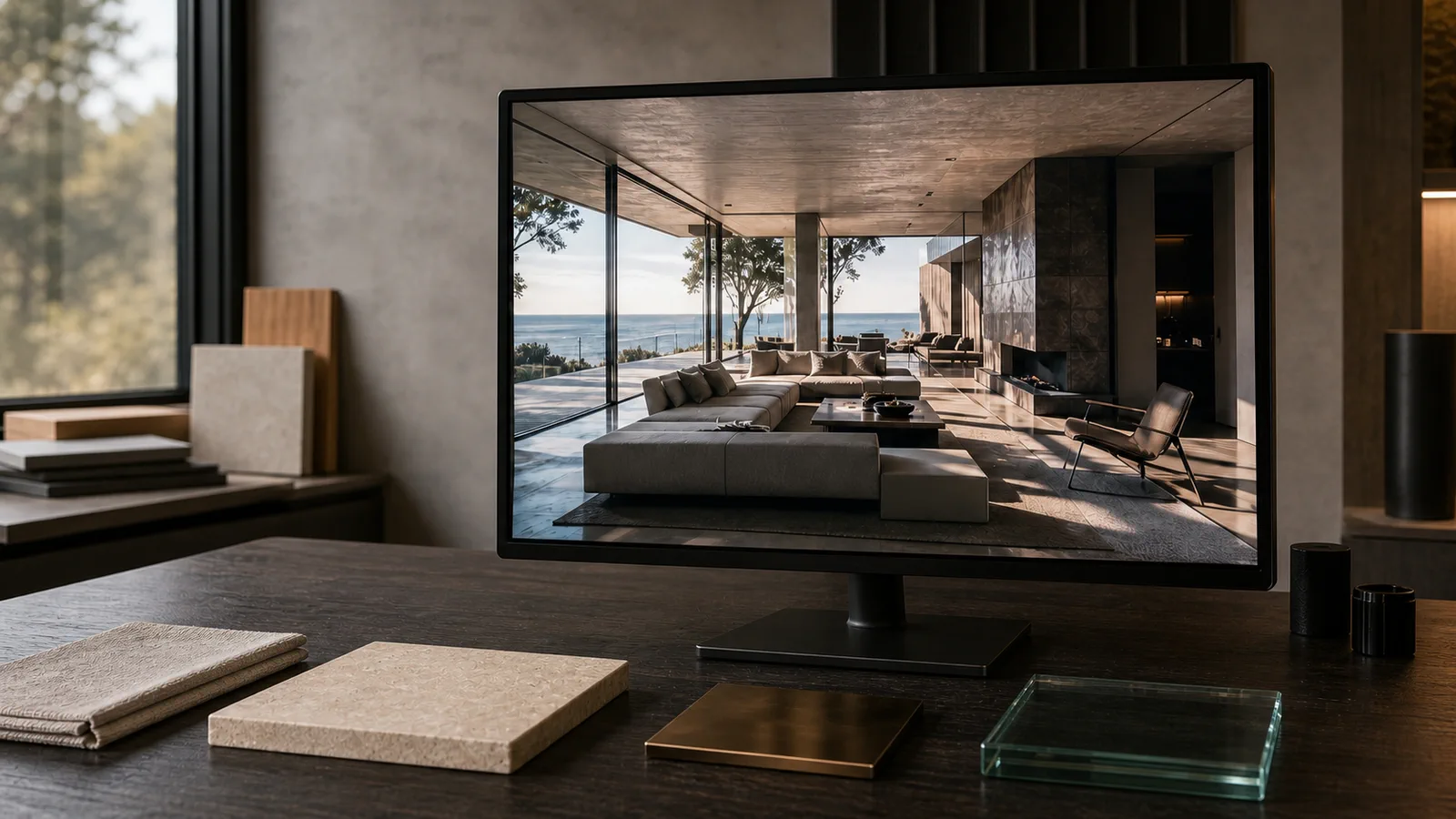 02
02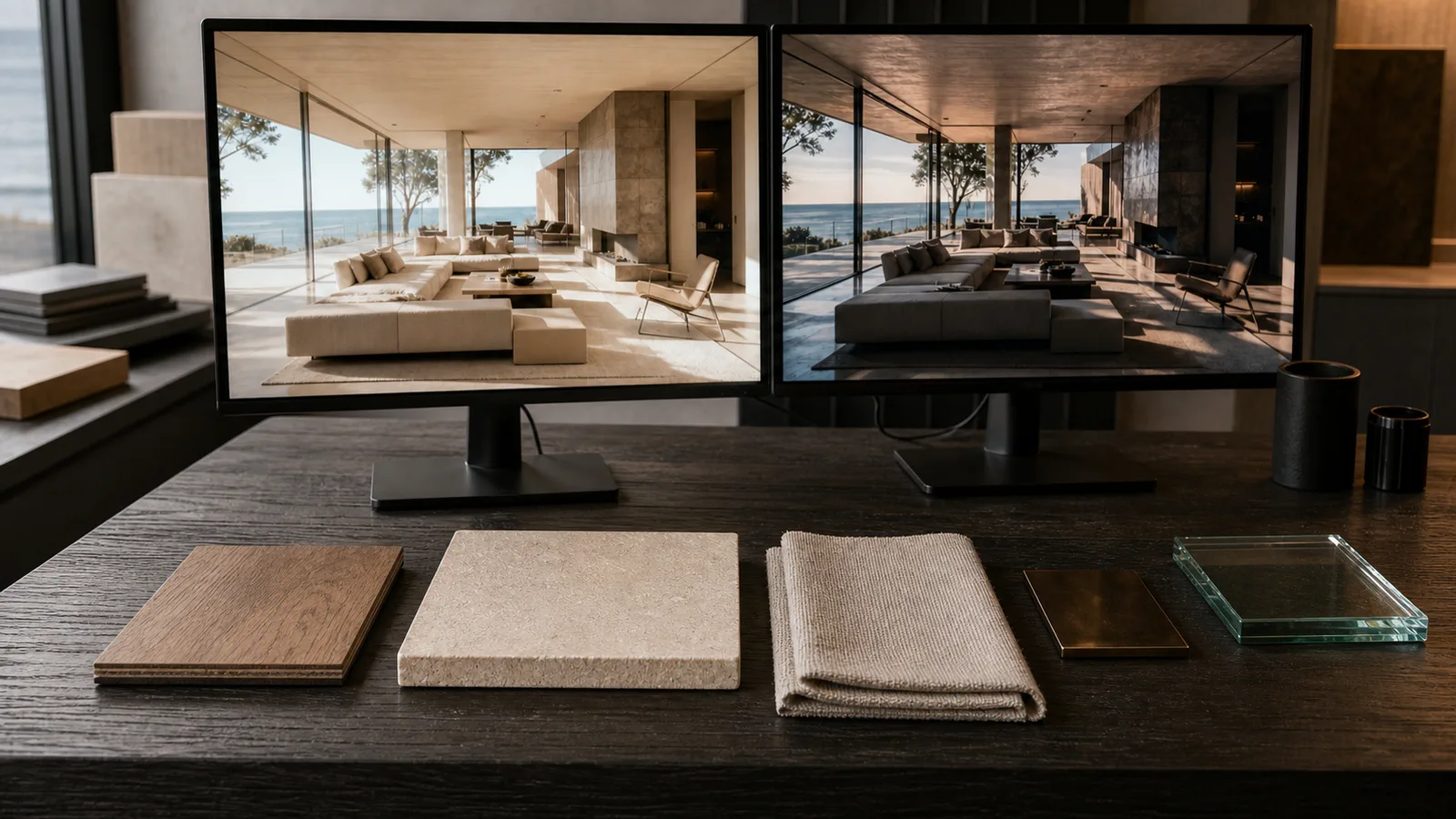 03
03How we can help you on this
Journal
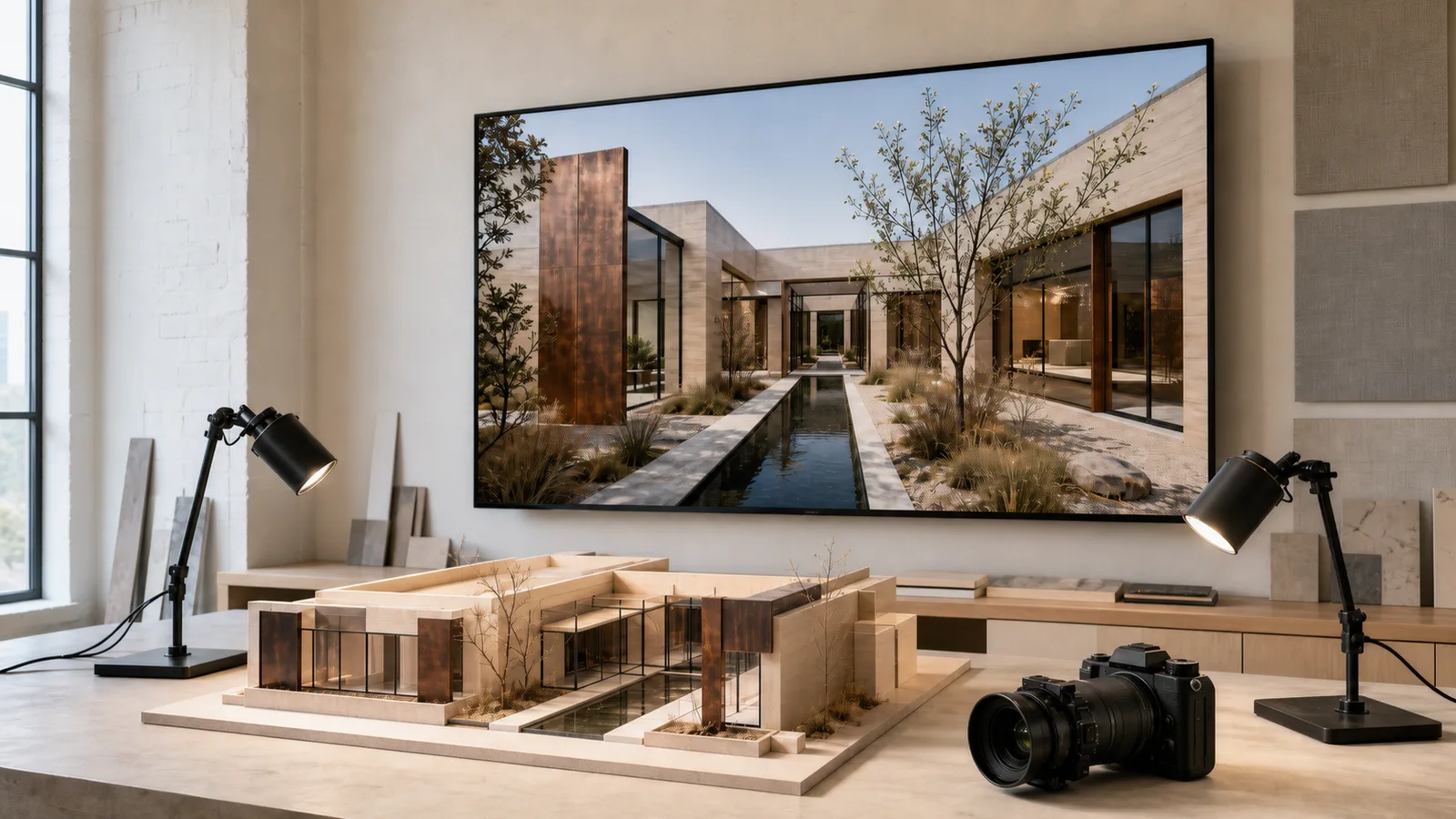 Process
What Is Architectural Visualization? Process, Tools and the Measure of a Good Rendering
Architectural visualization is the representation of a building with photorealistic images and films before it is built. The four-layer production process, the tools we use and the three measures that separate a good rendering from an ordinary one.
July 20266 min read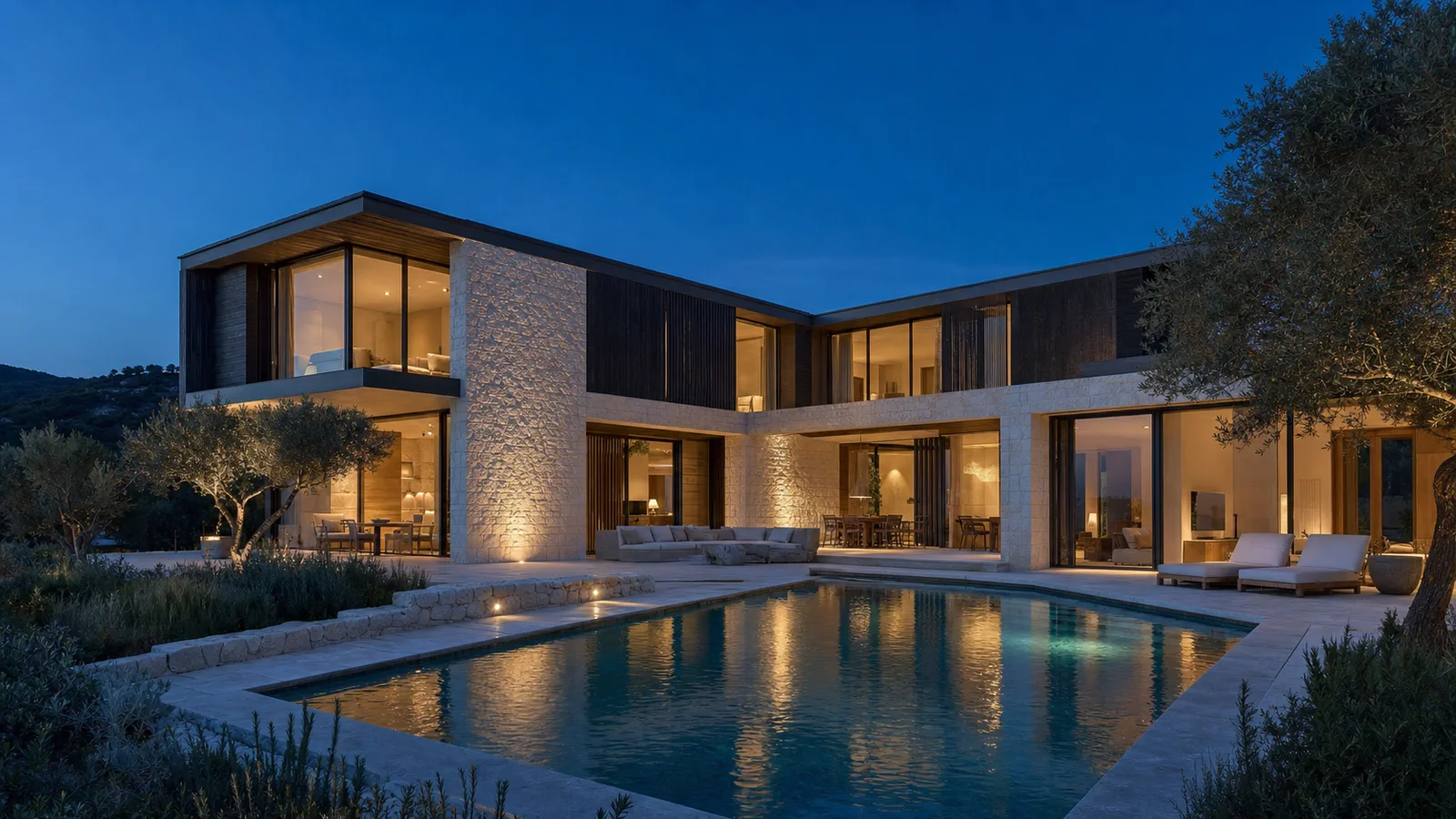 Process
Where Does a Night Rendering Get Its Atmosphere?
Moonlight, warm interior lighting and reflections falling on the water — the three layers that carry a night scene, and how we build them in Corona. Why does a night built with a single light look like a 'darkened day'?
May 20265 min read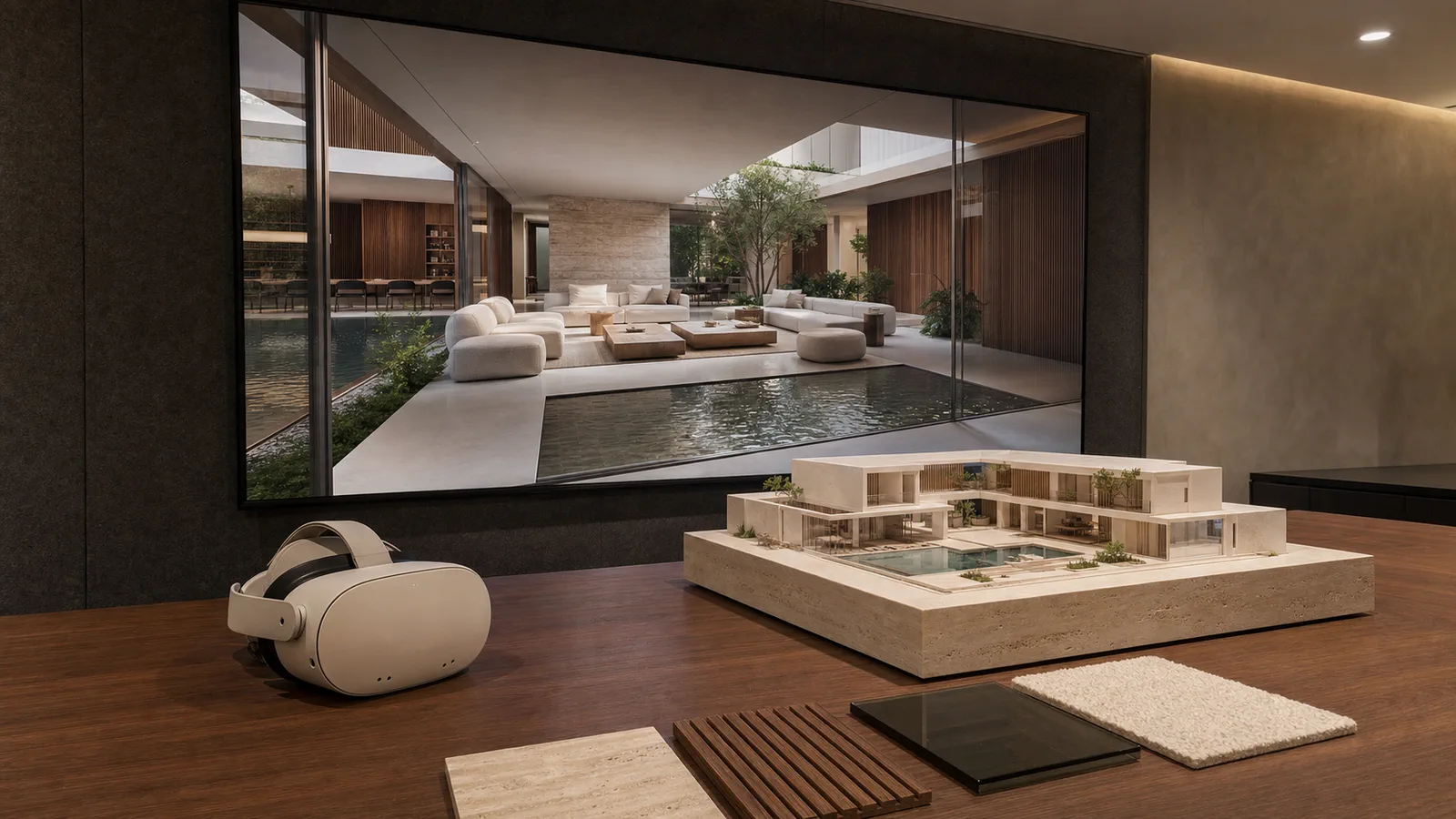 Process
Architectural 3D Visualization and Rendering: See and Decide Before Construction
Architectural rendering and 3D visualization show your villa or hotel with photographic clarity before construction begins. The role of seeing before deciding, photorealism and a transparent quote in the process.
June 20266 min readFrequently asked questions
Vesya Project Team
Design · Build · Construction
- Response time
- Same day
- Channels
- Phone · Email · WhatsApp
Can't find your answer here? Send us your question directly — our team will reply shortly.
Free consultationCorona offers natural results out of the box and a gentle learning curve; V-Ray provides deeper control, layer management and a powerful animation pipeline. Both engines come from the same company (Chaos).
Vesya Project Team
Used correctly, both are photorealistic. It is not the engine that determines the result, but the lighting setup, material quality and scene discipline.
Vesya Project Team
We choose Corona for interior- and atmosphere-driven work, V-Ray for films and complex exterior scenes. The decision is made at the brief; the delivery quality standard never changes.
Vesya Project Team